
The architecture, materials, and installation techniques that come with siding can seem overwhelming, but understanding some common siding terminology can help you tackle the project or work with an installer like a pro. When you understand siding terminology, you will better understand what goes into the installation and be able to better communicate how you want the exterior of your home to look. Let’s dive into some common terminology you may hear during siding installation.
Batten
Batten is a thin strip of wood that covers the joints between siding boards. These are typically seen on farmhouse-style homes and are included in board and batten style siding. This unique architectural design creates more depth on a home while also covering exposed joints. These vertical strips can even improve your home’s installation by limiting gaps and small openings that are exposed to weather.
Clapboard
Also known as lap siding, clapboard is the traditional horizontal boards you see on most homes. This classic siding type overlaps to create a cascading effect. This helps close gaps to the insulation of a home, preventing mold growth, pest infestations, and holes in fragile parts of the home. When most homeowners request a classic siding look, they are referring to clapboard.
Dutch Lap
Another option in siding terminology is dutch lap, is a version of clapboard siding but with a concave face. Every plank you have installed will have a distinct look that creates a sort of arch, in order for the next plank to overlap. The notches at the top of each siding plank were typically hand-carved, but this same effect can be achieved today with modern materials like vinyl.
Exposure
Exposure is a term used to describe how much of each siding plank is visible after installation. Because planks are made to overlap, this measurement is used to help determine how much material will be needed to cover the home. The exposure on every home is unique, allowing you to choose the exact look you want on your home. Height of the siding and exposure are two different measurements because the height measurement deducts the overlap.
Fascia
Most homeowners may have heard this siding terminology before, but may not understand what it means for the durability of their home. Fascia is the piece that runs directly under your roofline and is used to hold your soffit in place. The gutters and soffit are supported by fascia.
Gables
A gable is a triangular section between two sloped sections of your roof. These sections help support your roof and help with precipitation and snow to slide from the roof more quickly, preventing damage or leaks. Gables still need to be covered with siding, even if they are small or awkward. While gables have a purpose, they can also be decorative, adding a unique element to your home.
R-Value
The resistance your siding has to heat flow is referred to as the R-value. This siding terminology is important to know because high R-value indicates better thermal performance for your home, typically resulting in lower utilities and longer-lasting HVAC systems.
Soffit
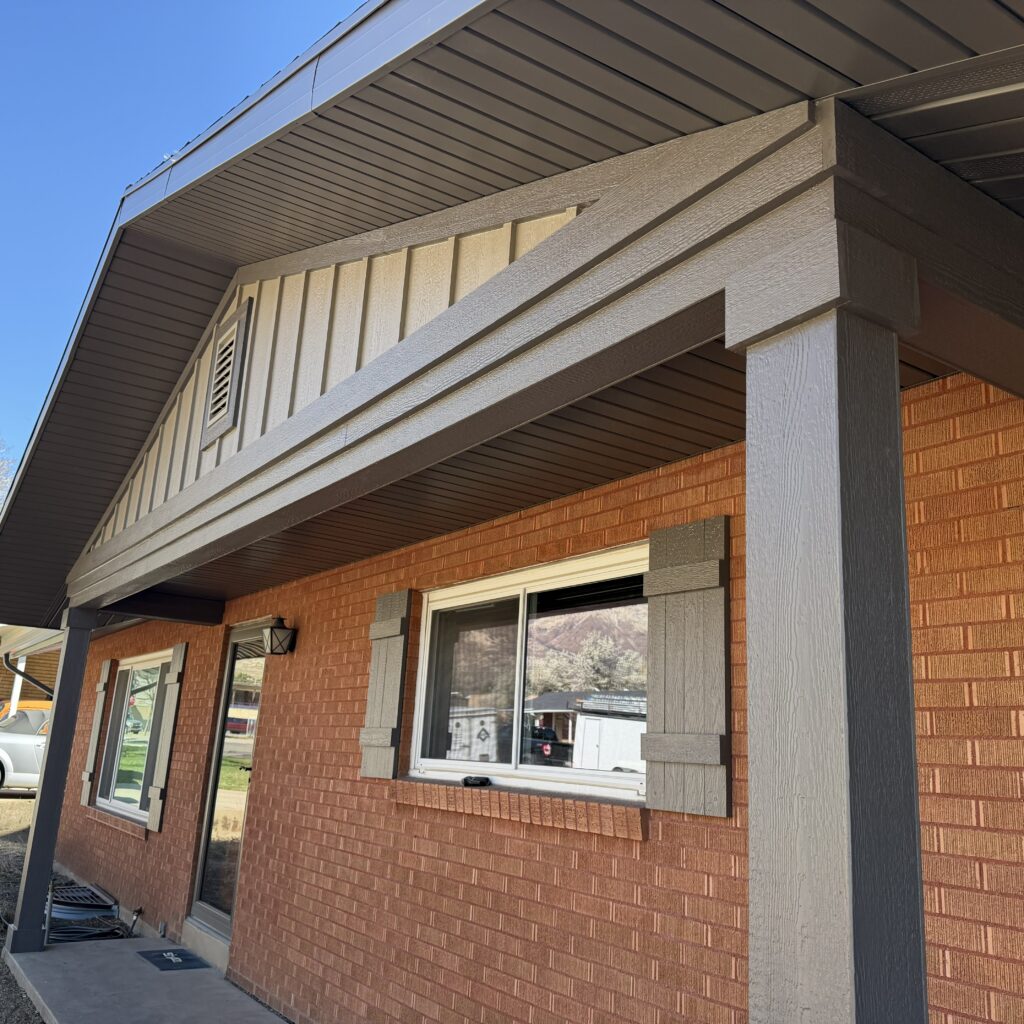
Another common term is soffit, which is where your exterior walls meet the overhanging trusses. Soffit is often vented to help improve airflow in the attic. It provides better ventilation to your attic space and extends the life of your shingles. Ensuring that soffit and fascia are durable and in place before installing siding is important if you want the new siding to last for its entire lifetime.
Blind Nailing Vs Face Nailing
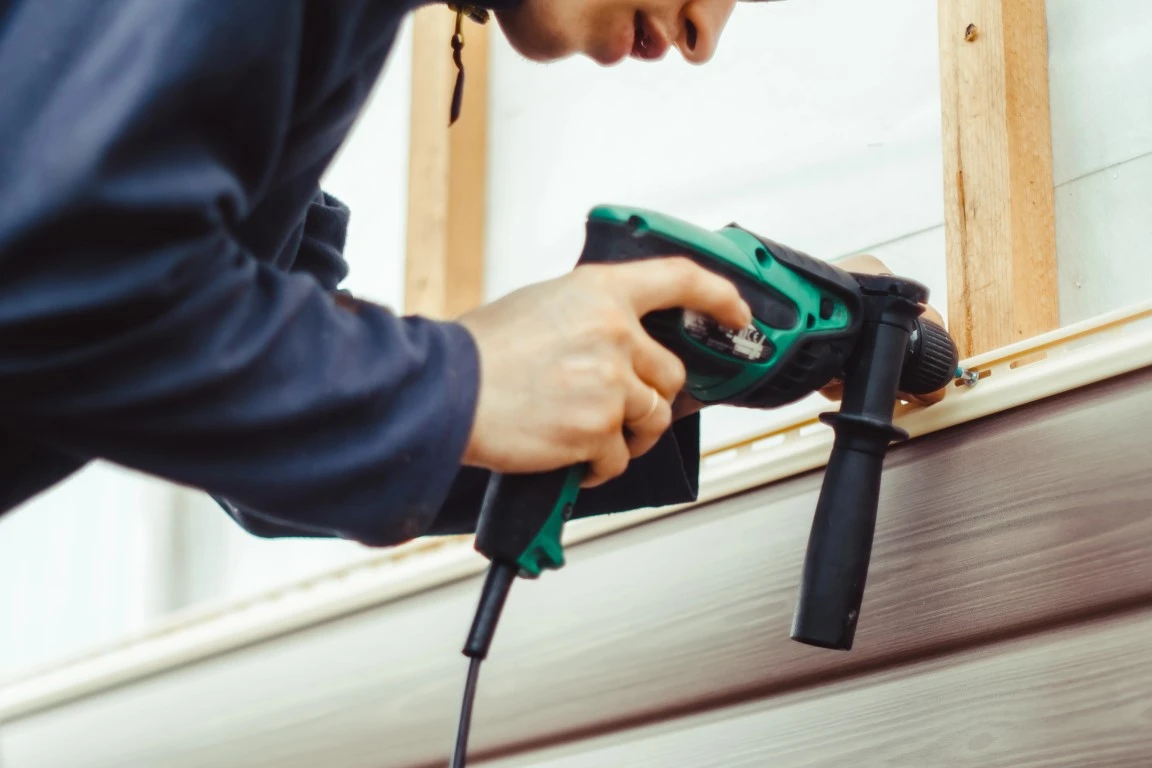
Once you have found the right siding type for your home, the method you choose to fasten it is another crucial step. Blind nailing is where a fastener is put through the top of the siding, and the heads will be covered either with a cap or some type of putty.
Face nailing is where the fastener is placed through one plank and into another. This is especially common for the start of the siding or decking installation, as it gets harder to navigate the tight space with a nail gun later on.
Professional Siding Installation From Our Team
Unlimited Siding is proud to offer durable siding options for homes in Utah. Our siding team specializes in LP Smartside and vinyl siding. Understanding siding terminology will help homeowners make the best choice for their unique home, while also making sure you avoid miscommunication with our technicians.
Unlimited Siding has years of experience working with both small and large homes to help improve insulation and curb appeal. Whether you are building a new home or need to update an older home, siding is a great way to elevate the space without breaking the bank. Reach out to us to get started today!