Siding is important to the protection and safety of your home, but installing it may take longer than you expected. Installing new siding can be beneficial to the longevity of the home, but there are factors that could impact the timeline of installation. These could put your home or structural elements at risk if the siding is not put in place in a timely manner. This blog will share some of the factors that can extend the timeline of new siding installation and what is involved in the process.
Factors That Affect The Installation Timeline
Unpredictable factors can impact the installation time of your siding, especially the weather. When these factors are present, your siding could take longer than the proposed 2-week or 3-week timeline that is typical for new siding installation.
Weather
One of the most unpredictable factors that can affect siding installation is the weather. Extreme temperatures, high moisture levels, or storms can make it difficult or impossible to work on your siding. It is unsafe for contractors to work in hot temperatures or cold temperatures, as it could cause severe health risks. Weather can also cause damage to the siding or insulation that goes underneath, causing mold growth or rotting soon after installation. If you want to avoid damage to the siding during installation and the need for replacement, it is important that your contractor installs the siding on a mild weather day.
Removal Of Old Siding
If you have old siding that needs to be removed before installing the new materials, this can prolong the completion date of your siding project. If a contractor needs to remove the old siding from your house before installing new material, this can add a significant amount of time to a project. Some siding materials can be installed over top of old materials, but others need a fresh surface to be applied.
Size Of The Home
A larger home will require more labor and more materials to completely coat. A large home will take longer to complete, especially if there are multiple levels. While a typical home takes about 1-3 weeks to complete with new siding, a large home or rental space may add on 2-4 weeks.
The Contractor You Hire
The company you hire and the number of employees they have can also impact project timelines. If a contractor doesn’t have room in their schedule for you immediately, is limited on workers, or isn’t a quality contractor with time management skills, your project could get pushed out. The start date and end date of your project can seem longer if you are unable to get on the contractor’s schedule soon after you contact them.
Steps Involved In Siding Installation
While there are external factors that could slow the process of siding installation, there are also important steps that need to be completed for the siding to remain durable. Skipping steps or rushing installation can limit the amount of protection that your siding provides to your home.
Before any work can begin, a consultation will need to be completed by the contractor or siding expert. This allows them to see what condition your home is in, what siding you currently have, and provide you the opportunity to ask any questions. Contractors will prepare an estimate of how much the project will cost and potentially give an estimated timeline of completion.
Once you have signed the appropriate paperwork and scheduled your installation, the team will start by removing old siding and cleaning the exterior to prepare for the new material. If you don’t have existing siding, this step will be the shortest, but the removal of old siding and making any necessary repairs underneath could add a few days to your project.
Next, moisture barriers and added insulation will be installed around the home. This step is crucial if you want an energy-efficient home and doesn’t add significant time to the completion of your siding installation.
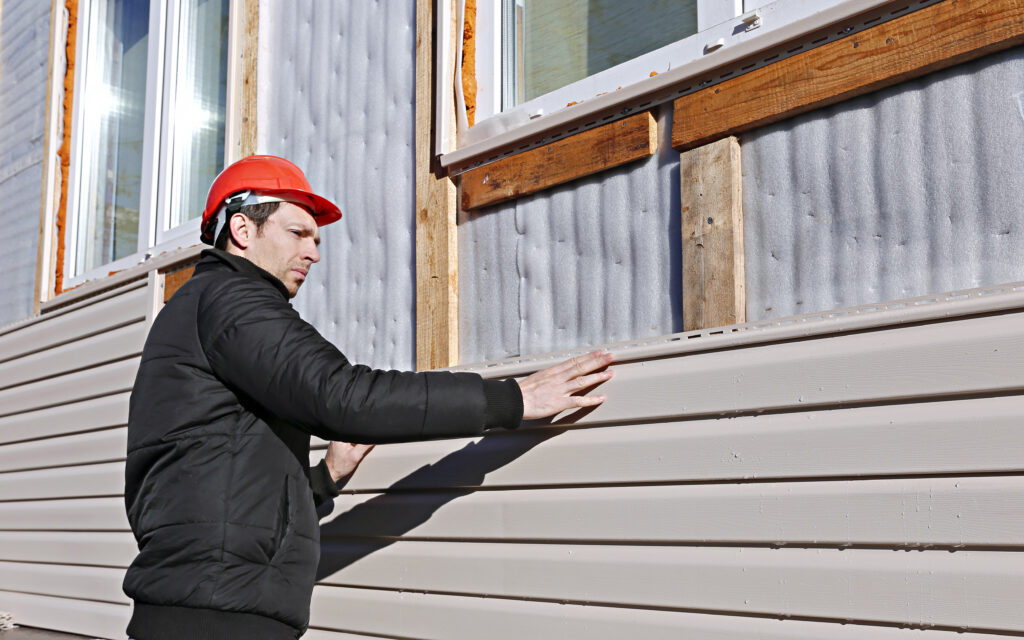
The siding will then be installed, starting at the bottom of the home and working upwards. The actual siding installation can take a few days, depending on the size and complexity of your home. Finishing touches like sealing gaps or specialized pieces around windows and vents will come last. After all of these steps, your new siding installation is complete.
Is Professional Or DIY Installation Quicker?
Every home is unique, and every siding type is unique, which can change the project timeline drastically. Working with a professional ensures that corners aren’t cut, proper repairs are made before new siding is installed, and keeps ventilation vents clear to prevent future issues. Homeowners may think they can complete a project faster instead of waiting for an installer to have room in their schedule, but a homeowner may not have the skills and specialized tools needed to complete the job. If you start out on a DIY project but run into trouble, a professional team may have to backtrack to fix the work you have done, before they can complete the installation the correct way.
Depending on the type of siding, homeowners could help in the process by removing old siding before a professional team is scheduled to install new siding. However, most of the time, it is better to leave the removal to the professionals and instead remove patio furniture or other exterior elements, giving the team clear access to the home’s exterior. While many factors are out of our control, helping to have a clear workspace can help start your project off on the right foot.

Installation From Our Professionals At Unlimited Siding
Unlimited Siding is committed to providing siding and roof services to homes in Utah. With so many different weather conditions and external factors in the state, our team provides the best materials to keep you home safe and comfortable. Unlimited Siding provides vinyl siding, board and batten siding, permanent lighting, exterior remodels, and upgrades to your soffit and fascia. Interested in upgrading your home’s exterior? Give us a call today!